SHEBA MEDICAL CENTER · TEL HASHOMEREndocrine liver research · Tel Hashomer, Israel

Fuchs Lab / Sheba Medical Center

Hormones.
Metabolism.
Connected.

How do signals between organs shape metabolic health? We connect gut–liver biology, quantitative endocrinology and experimental liver models to understand the mechanisms of metabolic disease.

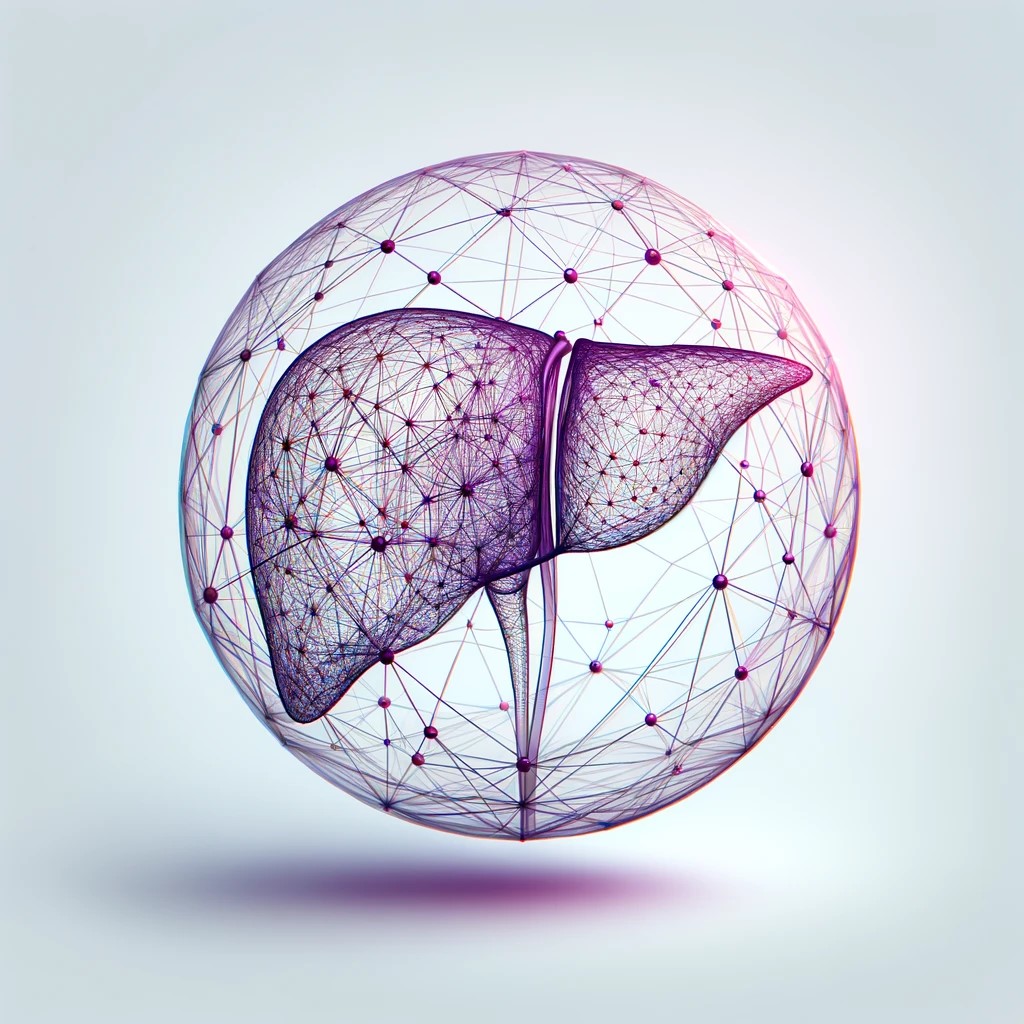
The laboratory’s existing ELR artwork: a liver within an interconnected sphere.
ENDOCRINE LIVER RESEARCHFrom molecules to systems
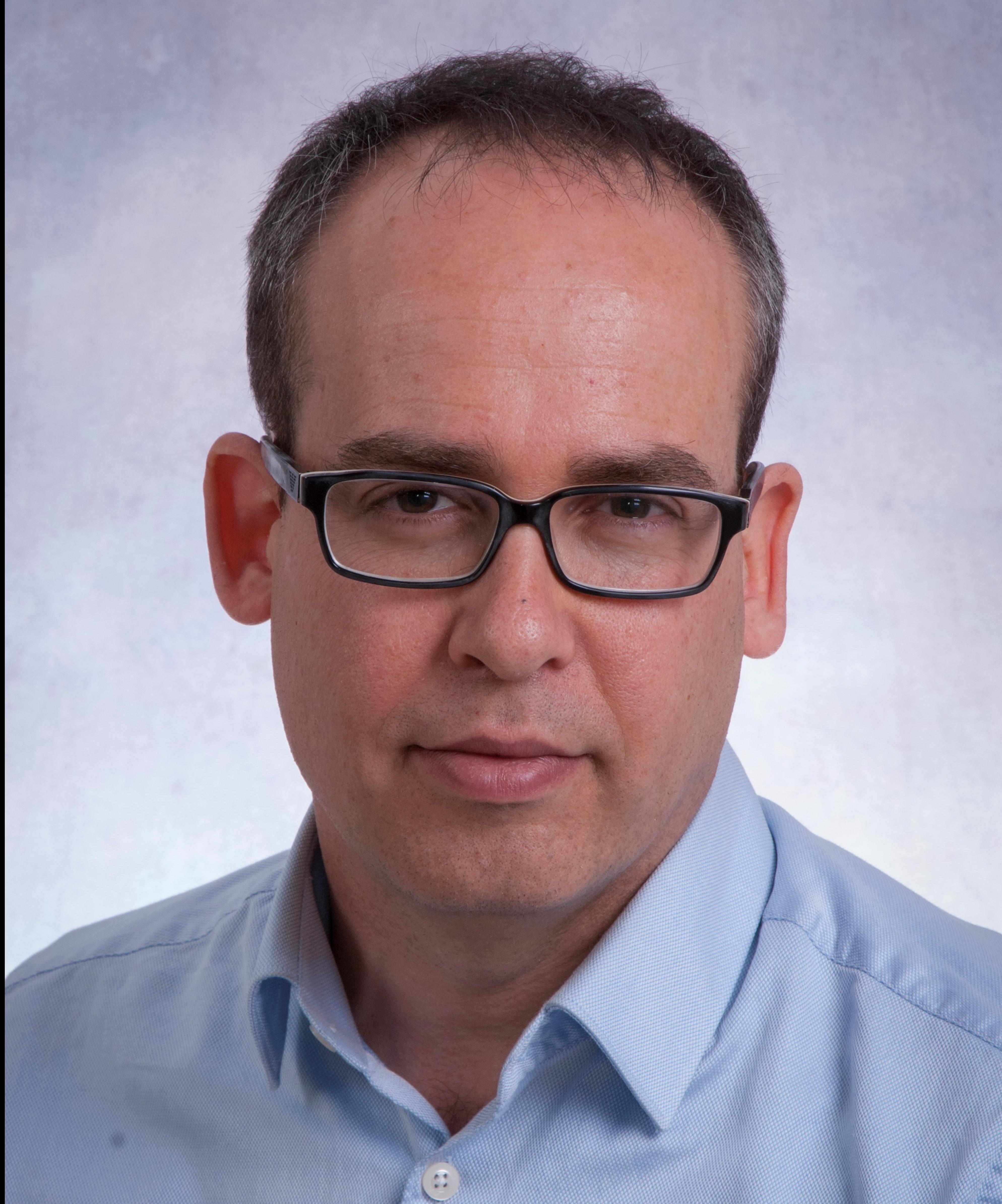
Shai Fuchs, MD, PhDPrincipal Investigator
Sheba Medical CenterTel Hashomer, Israel
Experimental + quantitative biologyOne connected research program
Sheba
Medical Center
Research home
Tel Hashomer, Israel

Between organs.
Across scales.

Three complementary directions bring together endocrine signaling, human physiology and models of metabolic dysfunction-associated steatotic liver disease (MASLD).

01 / Signaling

The endocrine
gut–liver axis

We investigate how enteroendocrine hormones connect nutritional signals to liver biology. Our work examines GLP-1 and GLP-2 pathways, hepatic stellate cells and the mechanisms linking nutrient excess to steatohepatitis and tissue remodeling.

GLP-1 / GLP-2MASLDStellate cells
Explore the questions
02 / Quantification

Mapping the
human endocrinome

How much hormone circulates in the human bloodstream? We integrate physiological measurements and published datasets to place hormone mass, molecular abundance, receptor affinity and bioavailability in a shared quantitative framework.

Human physiologyHormone mapsQuantitative biology
Read the latest work
03 / Models

Liver biology
in three dimensions

We develop and study liver spheroids and organoid systems to examine metabolic stress, interactions between liver cell types, and injury and regeneration. Each model offers a distinct experimental window into liver physiology.

SpheroidsOrganoidsRegeneration
Inside the laboratory

Research spotlight · PLOS Biology · 2026

A quantitative view
of the human
endocrinome.

Our map of circulating hormones asks a simple question with a surprisingly uneven answer: what is the human bloodstream’s hormonal composition?

The study brings clinical reference intervals and published datasets together to compare hormone mass, copy number, distribution and biological context.

Read the paper
63circulating hormones
included in the analysis
~40 mgestimated total hormone mass
in the bloodstream
>90%of estimated total mass and copy number attributable to adiponectin and DHEAS together
Published estimates for healthy young adults; composition varies with physiological state. Sender, Kedar and colleagues, 2026.

The work in progress.
The questions ahead.

Manuscripts in submission, thesis revision, ongoing research, and directions in preparation or proposal development. The human endocrinome is featured above as published work.

Nearing completion

Submission and thesis revision; these projects are not yet listed as published work.

In submission

Pathway-specific steatosis in liver spheroids

A manuscript by Ety Harish and colleagues on establishing HepG2/LX-2 heterospheroids to study MASLD, from steatosis to stellate-cell activation.

Model & approach
HepG2/LX-2 heterospheroids; microscopy and measurements of lipid accumulation and stellate-cell activation.
Current focus
Manuscript in submission.

Related profile: Ety Harish

Thesis revision

GLP-2 and metabolic liver disease in 3D

A thesis-stage project examining GLP-2 signaling in multicellular liver spheroids and its relationship to steatosis and stellate-cell biology.

Model & approach
Three-dimensional liver spheroids and hepatocyte–stellate-cell models.
Current focus
Thesis text and figure revision.

Related profile: Hila Malka

Ongoing research

Experimental work, model development and analysis.

Experimental programme

GLP-2R and hepatic stellate cells

How does GLP-2 receptor signaling in hepatic stellate cells influence communication between liver cell types, tissue remodeling and metabolic liver disease?

Model & approach
Complementary cell, spheroid and mouse models.
Research focus
Distinguishing local hepatic mechanisms from systemic hormone effects.

Related profiles: Ety Harish · Bozena Bronstein

Model development

Multicellular liver spheroids

Bringing hepatocytes and stellate cells together to study lipid handling and fibrotic responses in a controlled three-dimensional environment.

Model & approach
HepG2/LX2 co-cultures, microscopy, quantitative image analysis and gene-expression measurements.
Research focus
Connecting cell interactions with tissue-level phenotypes.

Related profiles: Ety Harish · Hila Malka

In submission

Quantitative spheroid imaging

A manuscript by Baruch Haimson and colleagues on three-dimensional quantification of neutral-lipid accumulation in hepatic co-culture spheroids.

Model & approach
Microscopy images with separate development and validation datasets.
Current focus
Manuscript in submission; continued validation and reproducibility work.

Analysis & presentation

Ageing in liver spheroid models

Investigating ageing-related cellular changes and evaluating how different culture models reproduce them.

Model & approach
Primary mouse hepatic spheroids and comparative analysis of culture models.
Research focus
Assessing model behavior over time without assuming that a culture reproduces biological ageing.

Related profile: Alon Segev

Ongoing research direction

Gut hormones and liver regeneration

Investigating how stellate-cell and gut-hormone signals shape liver repair and regeneration.

Research focus
GLP-2 signaling and regeneration in the context of metabolic liver disease.
Programme
Joint research with Omri Wurtzel’s laboratory at Tel Aviv University.

Project student: Ori Greenberg

Plans & priorities

Directions in preparation or proposal development.

Experimental preparation

Circulating factors in liver models

Preparing a platform that exposes liver spheroids to human serum to study how circulating factors shape metabolic and fibrotic responses.

Next focus
Experimental implementation of serum-conditioned spheroid assays.

Related profile: Shirley Bikel

Programme development

High-content organoid screening

Building the experimental and computational foundation for high-content phenotypic screening in organoid models at Sheba.

Next focus
Connecting scalable microscopy with biologically meaningful measurements.

Proposed next phase

Social context and metabolic physiology

A proposed extension of quantitative physiology research explores connections between social context and metabolism.

Next question
Can these relationships improve quantitative models of glucose dynamics?

Inside the laboratory

Microscopy from our liver spheroid work, from multicellular architecture to lipid and COL1A1 staining. Each image links to the complete original panel.

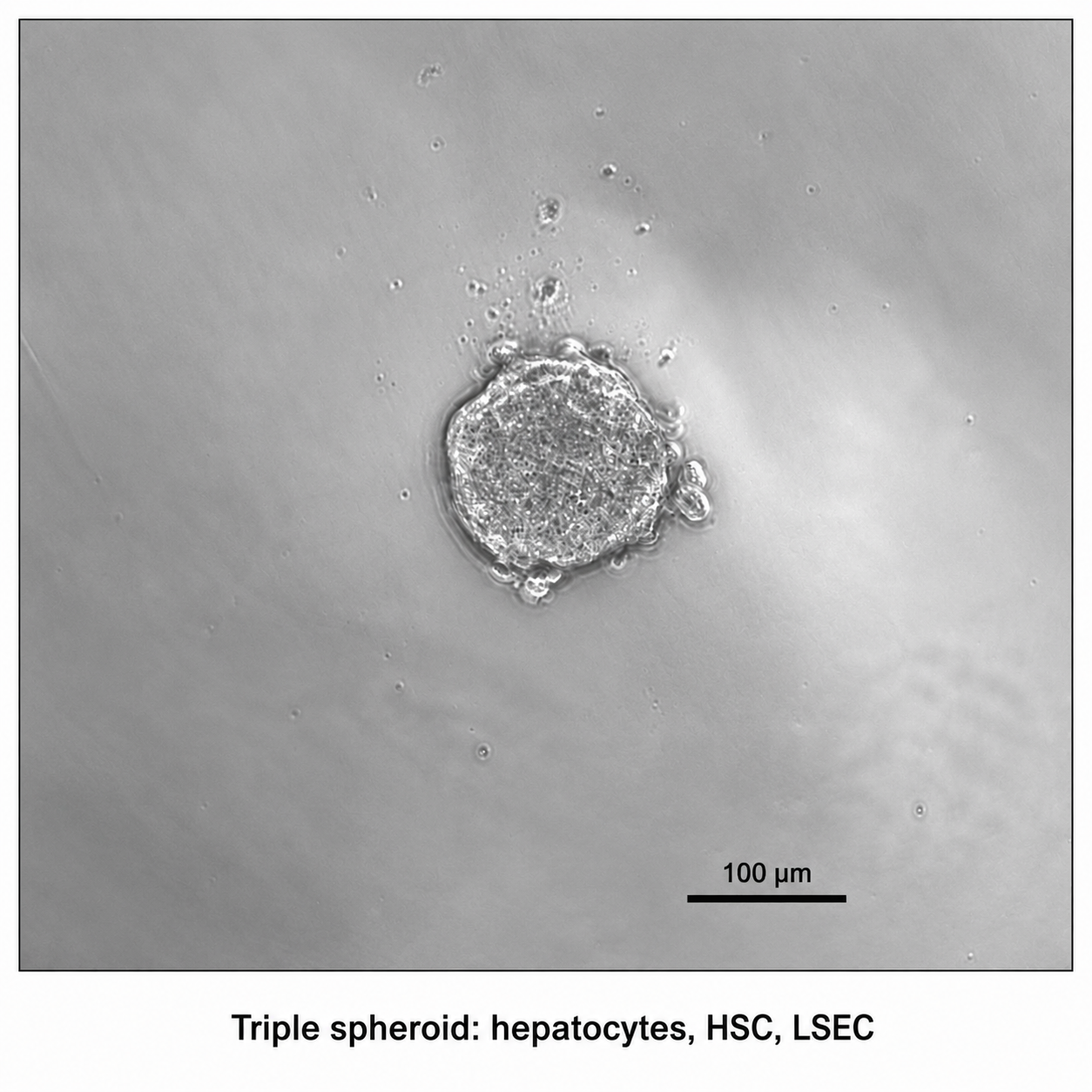
Light-microscopy image labeled triple spheroid: hepatocytes, HSC and LSEC, with a 100 micrometre scale bar.
Three cell types. One spheroid.Hepatocytes, hepatic stellate cells (HSCs) and liver sinusoidal endothelial cells (LSECs) in a triple-cell spheroid. Scale bar: 100 µm. Full-resolution image ↗

Multicellular liver models

A closer view
of liver biology.

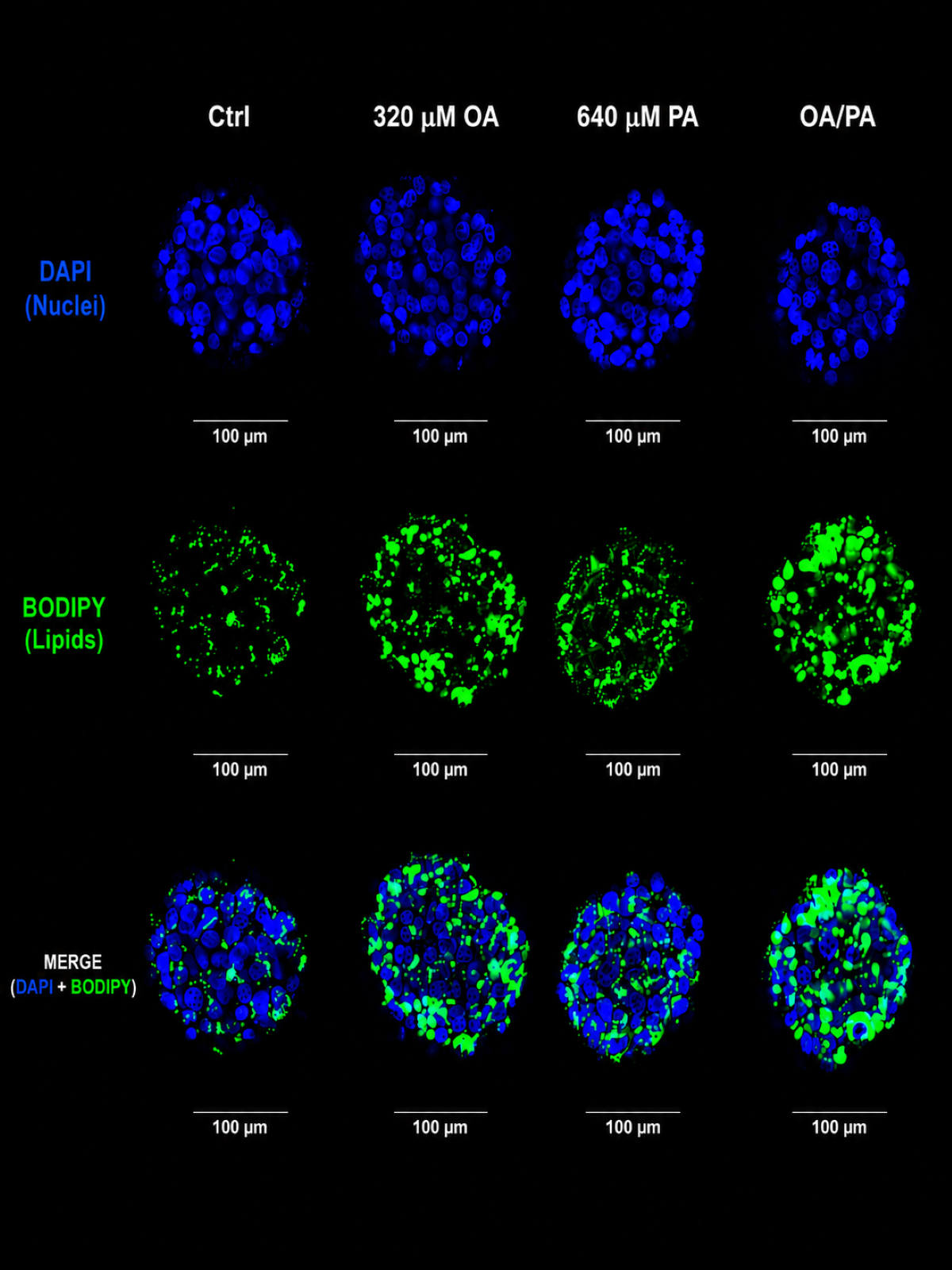
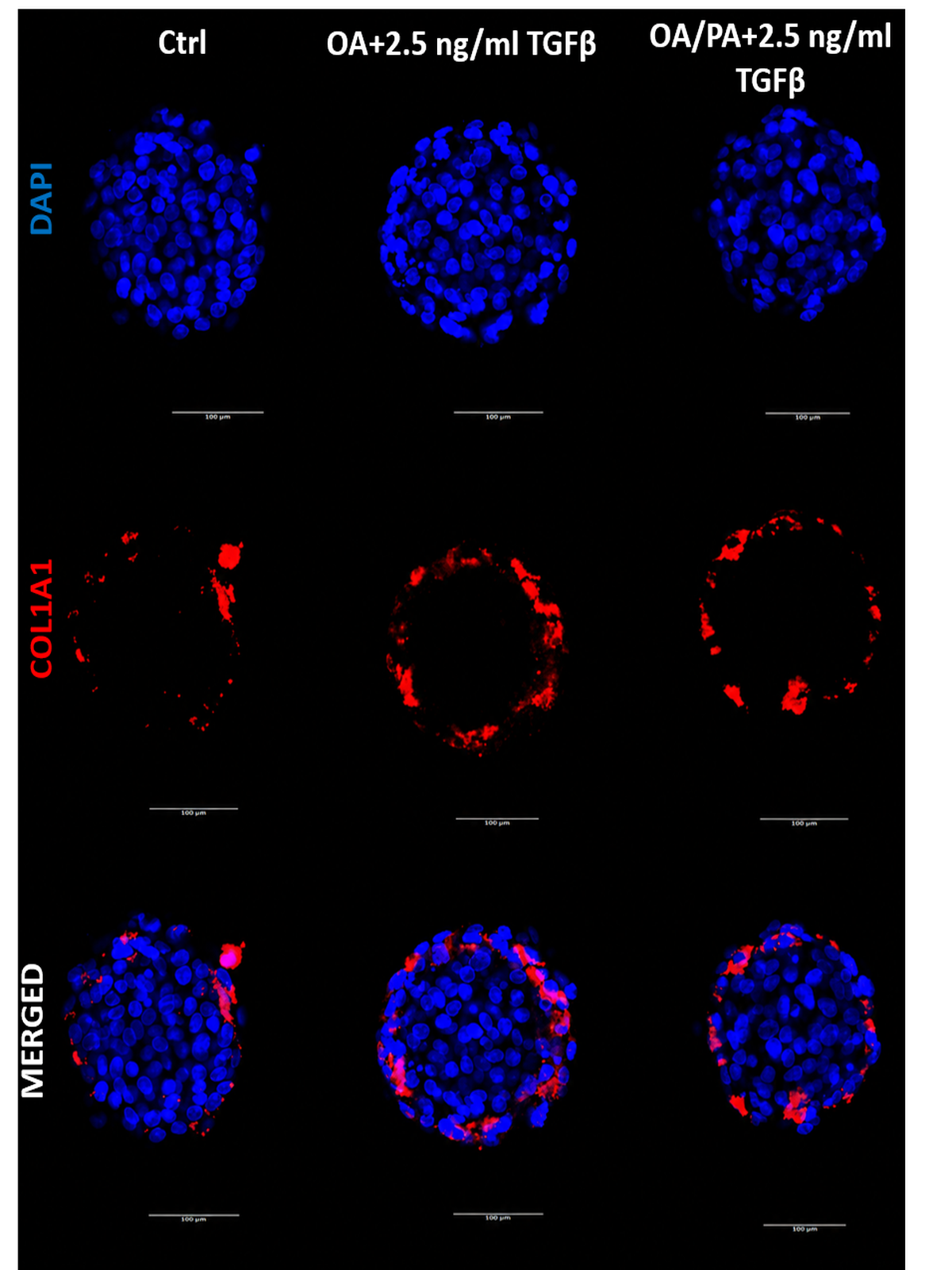
Bringing liver cell types together creates an experimental setting for studying their interactions. Microscopy lets us examine spheroid architecture and the distribution of cellular and molecular markers.

The panels below show lipid and COL1A1 staining across the culture conditions indicated in each original image.

Explore this project
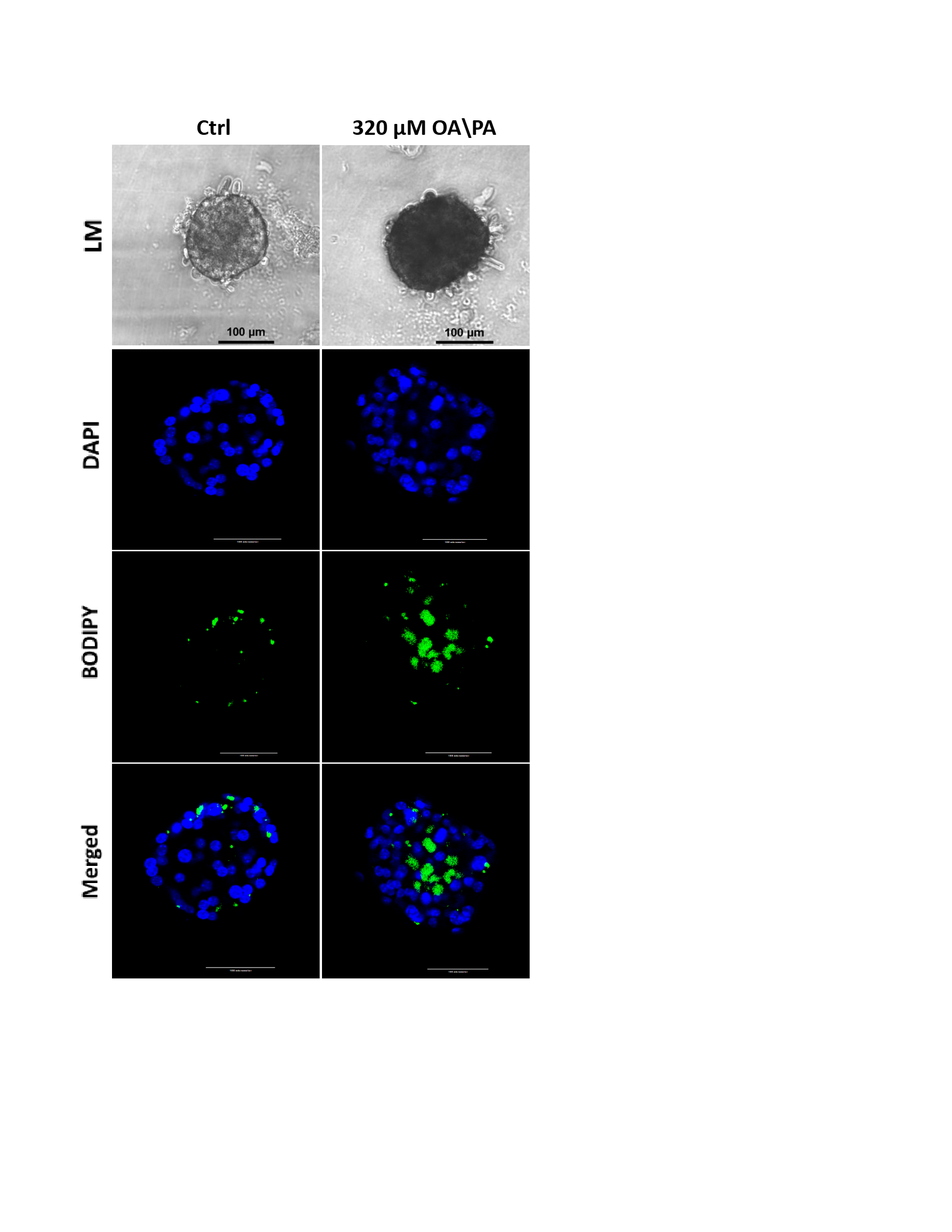
Spheroids labeled control, 320 micromolar OA, 640 micromolar PA and OA/PA; blue DAPI nuclei, green BODIPY lipids and merged images, with 100 micrometre scale bars.
Lipid staining in liver spheroidsDAPI labels nuclei in blue; BODIPY labels lipids in green. Control, oleic-acid (OA), palmitic-acid (PA) and combined OA/PA conditions are shown as labeled. Scale bars: 100 µm. Full-resolution panel ↗
Spheroids labeled control, OA plus 2.5 ng/mL TGF beta, and OA/PA plus 2.5 ng/mL TGF beta; blue DAPI, red COL1A1 and merged images with 100 micrometre scale bars.
COL1A1 staining in spheroidsDAPI, blue; COL1A1, red. Control and the OA/TGFβ and OA/PA/TGFβ conditions are shown as labeled. Scale bars: 100 µm. Full-resolution panel ↗
More from the lab · Culture time and liver model imaging
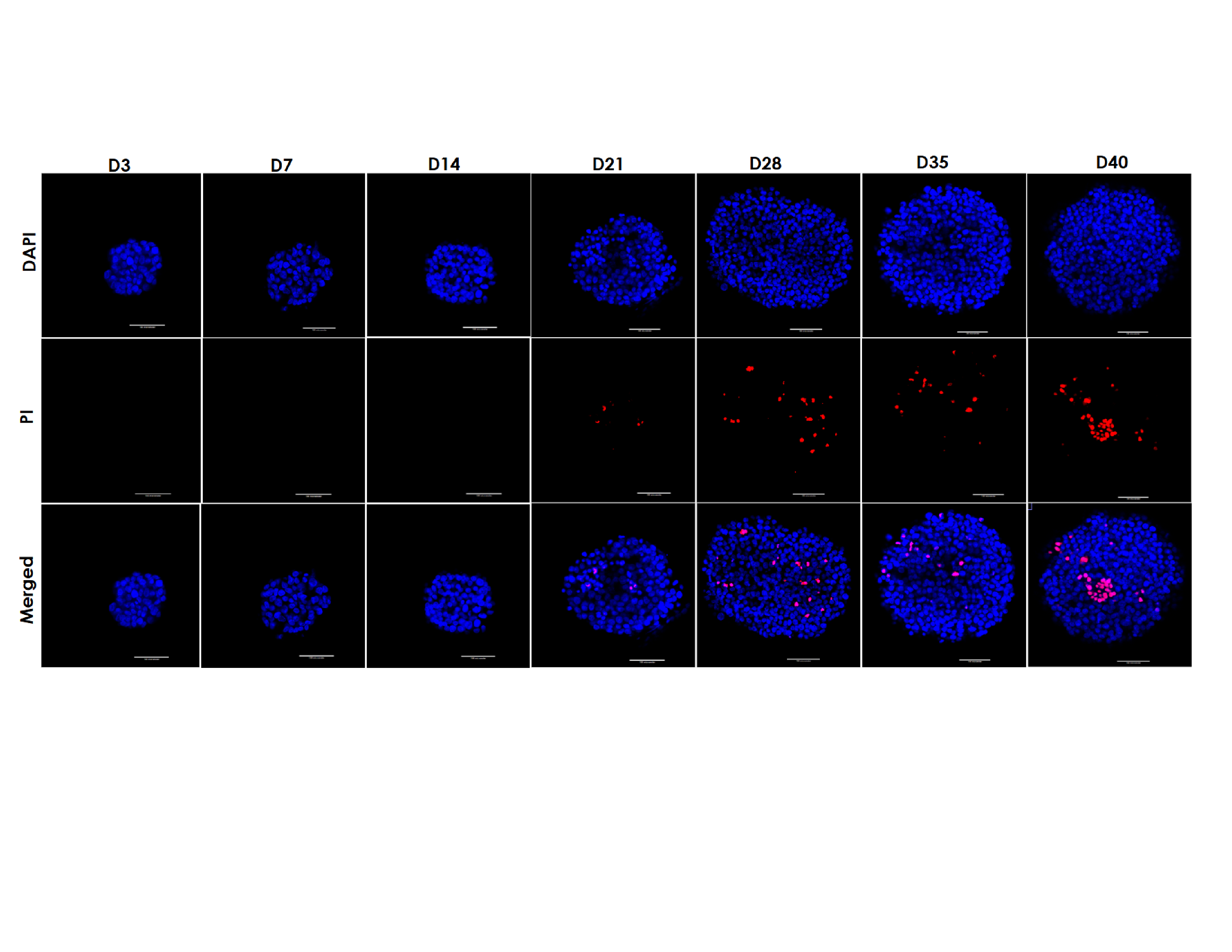
HepG2 spheroids at days 3, 7, 14, 21, 28, 35 and 40; DAPI, PI and merged channels with scale bars.
Following spheroids over timeHepG2 spheroids across culture days 3–40. DAPI, blue; propidium iodide (PI), red. Scale bars: 100 µm. Full-resolution panel ↗
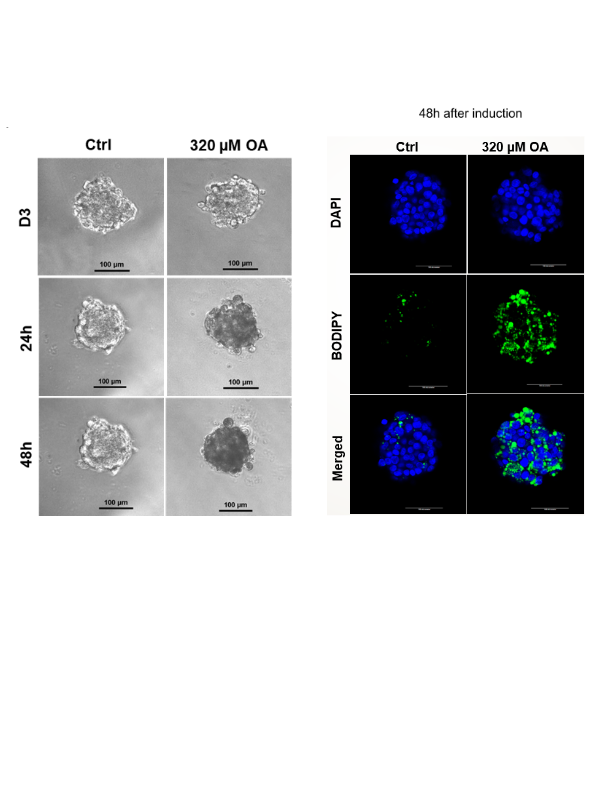
HepG2 spheroids in control and oleic-acid conditions, shown by light microscopy and DAPI/BODIPY fluorescence.
Lipid accumulation in HepG2 spheroidsLight and confocal microscopy under control and oleic-acid conditions. DAPI labels nuclei; BODIPY labels lipid droplets. Scale bars: 100 µm. Full panel ↗
Primary mouse hepatocyte spheroids under control and fatty-acid conditions, with light microscopy, DAPI, BODIPY and merged channels.
Primary mouse hepatocyte spheroidsControl and oleic/palmitic-acid conditions. DAPI, blue; BODIPY, green. Scale bars: 100 µm. Full panel ↗

Ideas, experiments
and evidence.

Selected publications by Shai Fuchs and collaborators, spanning endocrine mechanisms and quantitative human biology.

From the laboratory

Up and coming publications

Accepted work and manuscripts in submission or revision.

In submission

Establishment of a 3D HepG2/LX-2 heterospheroid model for in-vitro studying of MASLD: from steatosis to stellate cell activation.

Ety Harish and colleagues

Related research

In submission

3D Quantification of Neutral-Lipid Accumulation in Hepatic Co-Culture Spheroids

Baruch Haimson and colleagues

Related research

Accepted · 2026

Social Physiology: A Novel Principle in Human Physiology.

Masalha M, Cohen M, Aloni M, Toledo E, Stahl E, Eliav O, Fuchs S, Atzil S.

Science Advances. Forthcoming.

In revision

The growing burden of gestational and pregestational diabetes on maternal health.

Diabetes Care. Revised manuscript in preparation.

Publication record · 14 research publications
  1. Sender R, Kedar T, Navon Y, Raz M, Bikel S, Hemi R, Milo R, Fuchs S. The total mass, copy number, and distribution of hormones in the human bloodstream. PLOS Biology. 2026;24(6):e3003864.
  2. Margoliash J, Fuchs S, Li Y, Zhang X, Massarat A, Goren A, Gymrek M. Polymorphic short tandem repeats make widespread contributions to blood and serum traits. Cell Genomics. 2023;3(12):100458.
  3. Sender R, Weiss Y, Navon Y, Milo I, Azulay N, Keren L, Fuchs S, Ben-Zvi D, Noor E, Milo R. The total mass, number, and distribution of immune cells in the human body. PNAS. 2023;120(44):e2308511120.
  4. Giruparajah M, Everett K, Shah BR, Austin PC, Fuchs S, Shulman R. Introduction of publicly funded pharmacare and socioeconomic disparities in glycemic management in children and youth with type 1 diabetes in Ontario, Canada: a population-based trend analysis. CMAJ Open. 2022;10(2):E519–E526.
  5. Fuchs S, Regev R, Harrington J. Transient neonatal hyperinsulinism: early predictors of duration. Journal of Pediatric Endocrinology and Metabolism. 2021;34(8):1041–1044.
  6. Kaur KD, Wong CK, Baggio LL, Beaudry JL, Fuchs S, Panaro BL, Matthews D, Cao X, Drucker DJ. TCF7 is not essential for glucose homeostasis in mice. Molecular Metabolism. 2021;48:101213.
  7. Fuchs S, Yusta B, Baggio LL, Varin EM, Matthews D, Drucker DJ. Loss of Glp2r signaling activates hepatic stellate cells and exacerbates diet-induced steatohepatitis in mice. JCI Insight. 2020;5(8):e136907.
  8. Varin EM, Mulvihill EE, Beaudry JL, Pujadas G, Fuchs S, Tanti JF, Fazio S, Kaur K, Cao X, Baggio LL, Matthews D, Campbell JE, Drucker DJ. Circulating Levels of Soluble Dipeptidyl Peptidase-4 Are Dissociated from Inflammation and Induced by Enzymatic DPP4 Inhibition. Cell Metabolism. 2019;29(2):320–334.e5.
  9. Li J, Fuchs S, Zhang J, Wellford S, Schuldiner M, Wang X. An unrecognized function for COPII components in recruiting the viral replication protein BMV 1a to the perinuclear ER. Journal of Cell Science. 2016;129(19):3597–3608.
  10. Cohen A, Weindling E, Rabinovich E, Nachman I, Fuchs S, Chuartzman S, Gal L, Schuldiner M, Bar-Nun S. Water-Transfer Slows Aging in Saccharomyces cerevisiae. PLOS ONE. 2016;11(2):e0148650.
  11. Sender R, Fuchs S, Milo R. Are We Really Vastly Outnumbered? Revisiting the Ratio of Bacterial to Host Cells in Humans. Cell. 2016;164(3):337–340.
  12. Fuchs S, Gat-Yablonski G, Shtaif B, Lazar L, Phillip M, Lebenthal Y. Vascular endothelial growth factor (VEGF) levels in short, GH treated children: a distinct pattern of VEGF-C in Noonan syndrome. Journal of Endocrinological Investigation. 2015;38(4):399–406.
  13. Avci D, Fuchs S, Schrul B, Fukumori A, Breker M, Frumkin I, Chen CY, Biniossek ML, Kremmer E, Schilling O, Steiner H, Schuldiner M, Lemberg MK. The Yeast ER-Intramembrane Protease Ypf1 Refines Nutrient Sensing by Regulating Transporter Abundance. Molecular Cell. 2014;56(5):630–640.
  14. Najfeld V, Fuchs S, Merando P, Lezon-Geyda K, Fruchtman S. Fluorescence in situ hybridization analysis of the PRV-1 gene in polycythemia vera: implications for its role in diagnosis and pathogenesis. Experimental Hematology. 2003;31(2):118–121.
Case reports · 3 publications
  1. Downie ML, Mulder J, Schneider R, Lim L, Tehrani N, Wasserman JD, Fuchs S, John R, Noone DG, Hebert D. A curious case of growth failure and hypercalcemia: Questions. Pediatric Nephrology. 2018;33(6):991–993.
  2. Downie ML, Mulder J, Schneider R, Lim L, Tehrani N, Wasserman JD, Fuchs S, John R, Noone DG, Hebert D. A curious case of growth failure and hypercalcemia: Answers. Pediatric Nephrology. 2018;33(6):995–999.
  3. Steiner I, Fuchs S, et al. An unusual tachycardia. Israel Journal of Emergency Medicine. 2003;3(3):20–21.
Preprint & educational chapter
  1. Fuchs S, Goldenfeld M, Dviri M, Librach C, Baum M. The lifetime cost of reproductive potential — who spends the most? bioRxiv. 2021. Preprint.
  2. Sochett E, Fuchs S. Endocrine Disorders. Toronto Centre for Neonatal Health. Online educational chapter.

Support for
the questions ahead.

Research grants and institutional awards supporting our experimental and collaborative work. Funding periods are shown where documented; otherwise the award year is given.

2026–2030

US–Israel Binational Science Foundation (BSF)

GLP-2 signalling in hepatic stellate cells: mechanism and therapeutic potential in MASLD

2025–2026

Cincinnati Children’s Hospital

Leveraging Patient-Derived Models and Spatial Profiling to Elucidate the Pathogenesis of Congenital Hyperinsulinism

2025–2027

MAOF · Sheba Medical Center

Setting up a center dedicated to high throughput phenotypic screens in patient-derived organoid

Internal institutional strategic-development award

2024–2025

Second Chance · Sheba Medical Center

Precision Diabetes: Identification, characterization, and prediction of genetic thiamin-responsive diabetes among individuals with dysglycemia

2024–2026

Pfizer NASH Aspire

GLP‑2R in hepatic stellate cells: mechanisms of tissue remodelling and therapeutic potential in MAFLD utilizing liver spheroids

2023–2028

Israel Science Foundation (ISF)

The hormonal gut–liver axis in steatohepatitis: roles of intrahepatic receptors for GLP‑1 and GLP‑2

Awarded 2023

Alrov Grant · Sheba Medical Center

Liver organoids for the study of MAFLD.

2022–2023

Alrov Grant · Sheba Medical Center

Endocrine regulation of hepatic stellate cells — a novel therapeutic target in steatohepatitis

Awarded 2022

Sagol Center for Regeneration · Tel Aviv University

Regulation of liver regeneration by the hepatic stellate cell GLP‑2 receptor

2021–2023 (2020 award)

EFSD / Boehringer Ingelheim European Research Programme

Mechanisms underlying the regulation of dysglycemia and hepatosteatosis by the gut L‑cell–hepatic stellate cell axis

Shai Fuchs, MD, PhD
Shai Fuchs, MD, PhD
Principal Investigator · Fuchs Lab

Principal Investigator

Shai Fuchs,
MD, PhD

Shai Fuchs is a physician-scientist and senior staff pediatric endocrinologist at Sheba Medical Center. He leads Fuchs Lab, bringing experimental liver biology together with quantitative approaches to human physiology.

The laboratory’s research centers on hormonal communication between the gut and liver, metabolic liver disease, and three-dimensional liver models. Its quantitative work asks how the components of human physiology can be measured and understood as a connected system.

Shai earned his MD at the Hebrew University of Jerusalem and his PhD in Molecular Genetics at the Weizmann Institute of Science, working with Maya Schuldiner. He completed clinical fellowship training in pediatric endocrinology at SickKids in Toronto, followed by postdoctoral research with Daniel Drucker at the University of Toronto.

ResearchPI, Fuchs Lab
Head of Research Lab, Sheba Physician Scientist Program
Clinical institutionInstitute of Pediatric Endocrinology and Diabetes
Edmond and Lily Safra Children’s Hospital, Sheba Medical Center

Shai serves as Course Leader, Endocrinology and Fertility, Human Body by Systems course at The Miriam and Aaron Gutwirth Medical School, Weizmann Institute of Science (WISSOM). He co-developed and co-teaches the endocrinology course with Prof. Uri Alon.

Contact Shai

The lab team

Experimental research, model development and quantitative biology.

Researcher

Bozena Bronstein, PhD

GLP-2 receptor signaling, mouse models and hepatic stellate-cell mechanisms in metabolic liver disease.

Research profile

Researcher

Shirley Bikel, MD, PhD

Serum-conditioned liver spheroids and the effects of circulating factors on metabolic liver biology.

Research profile

MSc student · Bar-Ilan University

Hila Malka

GLP-2 and MASLD progression in multicellular liver spheroids.

Research profile

MD student · Research assistant

Alon Segev

Ageing-related cellular changes and the evaluation of primary mouse hepatic spheroid models.

Research profile

MD student · Hetz project student

Ori Greenberg

GLP-2 signaling and liver regeneration, in a joint project with the Wurtzel laboratory.

Research profile
על המעבדה · About the lab in Hebrew

מעבדת פוקס במרכז הרפואי שיבא, בראשות ד״ר שי פוקס, רופא־חוקר ומומחה באנדוקרינולוגיית ילדים, חוקרת את התקשורת ההורמונלית בין המעי לכבד ואת תפקידה בבריאות ובמחלת כבד סטאטוטית הקשורה להפרעה מטבולית (MASLD). המעבדה משלבת מחקר ניסויי במודלים תלת־ממדיים של הכבד, ובהם ספרואידים ומערכות אורגנואידים, עם גישות כמותיות לחקר הפיזיולוגיה האנושית ומיפוי הורמונים במחזור הדם. תחומי העניין כוללים איתות אנדוקריני, הצטברות שומן בכבד, יחסי גומלין בין תאי הכבד ותהליכי פגיעה והתחדשות.

Past research students

Students who contributed to the laboratory through the Hetz Young Researchers Program.

Hetz research student · 2023–2024

Ido Vetzler

Quantitative analysis of steatosis in 3D liver spheroid models.

Hetz research student · 2024–2025

Gal Sasson

Senescence in immortalized hepatic spheroids.

Connect with Fuchs Lab

Good questions
bring us together.

Interested in research at the interface of endocrinology, metabolism and quantitative biology? Get in touch about research collaborations and training opportunities.
Start a conversation
Lab manager · Ety Harish, MSc
ety.harish@sheba.health.gov.il
Laboratory
fuchslab@sheba.health.gov.il
Principal Investigator
Shai.Fuchs@sheba.health.gov.il
Find us
Sheba Medical Center
Tel Hashomer, Israel